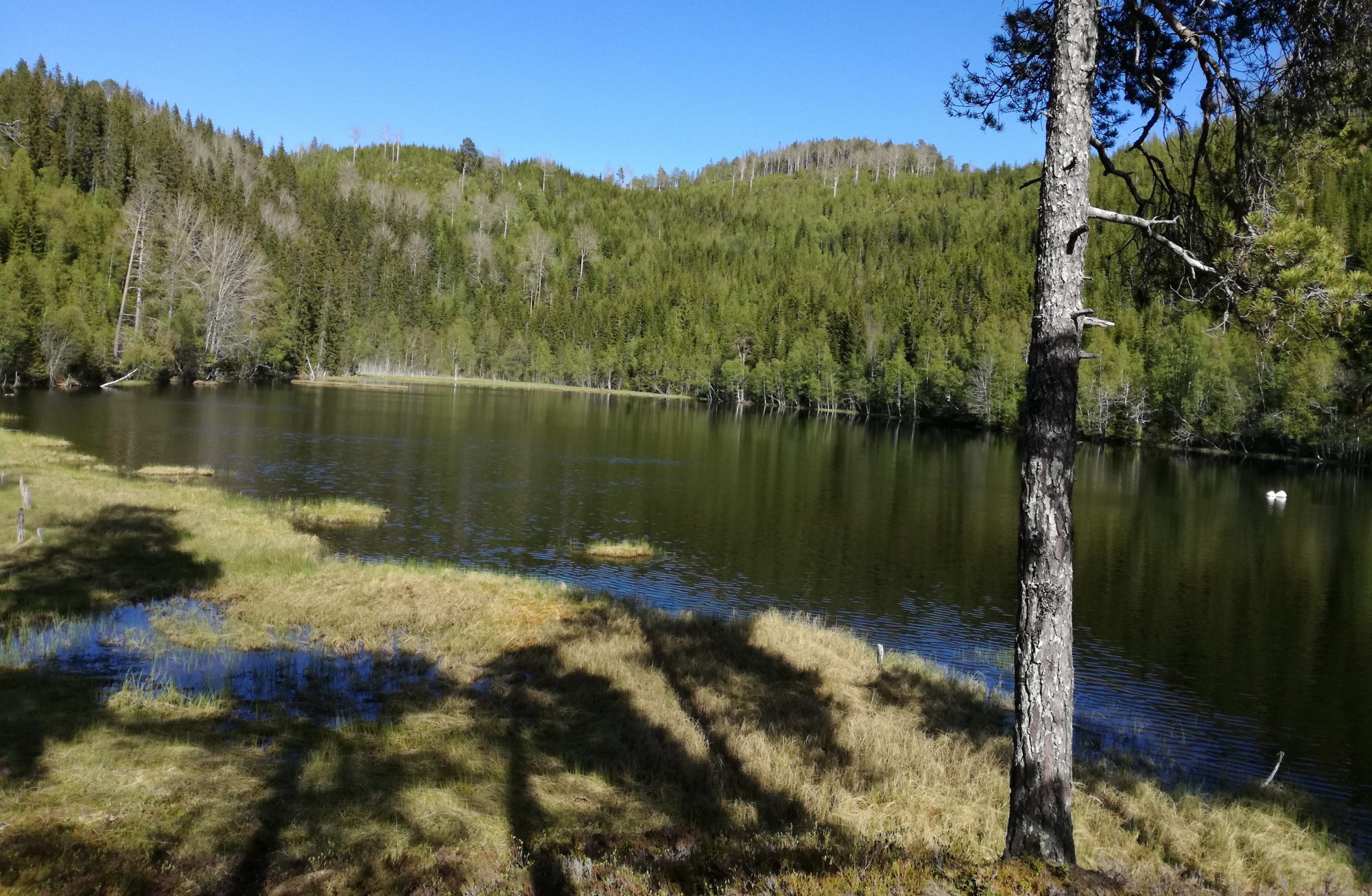
2021 – A Summary

The second year of the Covid-19 pandemic is coming to a close and I would like to make a short summary of how the year 2021 has been for me. I always have a problem with the dark time of the year and thinking about the summer and the bright time of the year helps me get through the winter months.

Pandemic

The Covid-19 pandemic has influenced a lot of the year 2021, putting restrictions on out-of-the-country travel as well as how much contact we have with others. My husband and I got our first two vaccines in April and May, and a booster vaccine in December. My son has also received his two vaccines. My husband and I have also received the regular flu vaccine, which we get every year in the fall. As a result, we have not been sick in 2021.

My son started a new job in January 2021, but as home office was required at the beginning of the year, he has had his home office at our house most of the year. From August to November he commuted to his job in Oslo but also had some business trips to other cities in Norway. At the end of 2021, there is again a requirement of home office where possible so he will be staying with us into 2022.

With both my husband and I in a high-risk group (over 65 years of age), we have reduced the amount of contact we have with others and have been avoiding large gatherings. We have social contact outdoors (in the summer months), restrict the number of people we meet regularly, and enjoy our own company. My husband, who is a lot more social than me, will also join online meetings and has contact by phone with those living in other parts of the world.

Crafts

I always have more than one project on the go and I have been good at finishing the projects that get started. Though I may have a few projects in my head that never get off the designing paper, most projects get carried through to completion.

Sewing projects include 2 shirts for my son, 4 shirts for my husband, 2 nightdresses for myself, 5 tops for myself, curtains for the house, pillow cases and a long patchwork runner for the bedroom.
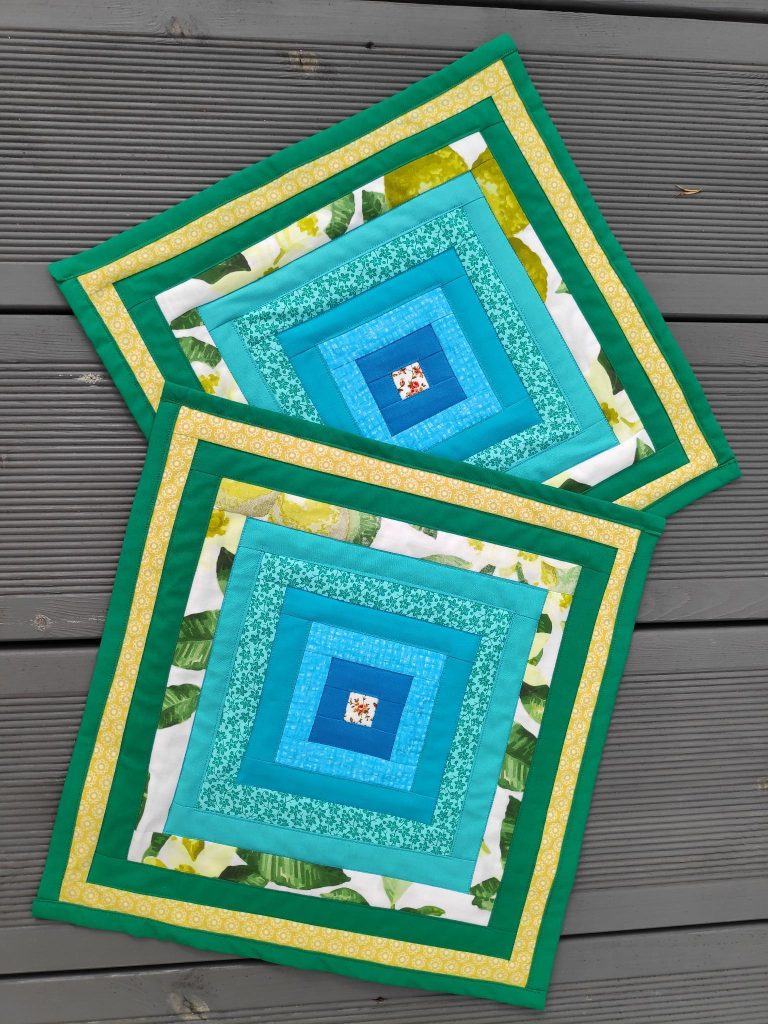
Two covers for bedside tables. There was also a long runner, with the same basic pattern made to protect the tops of the dressers. Project was completed in October 2021.
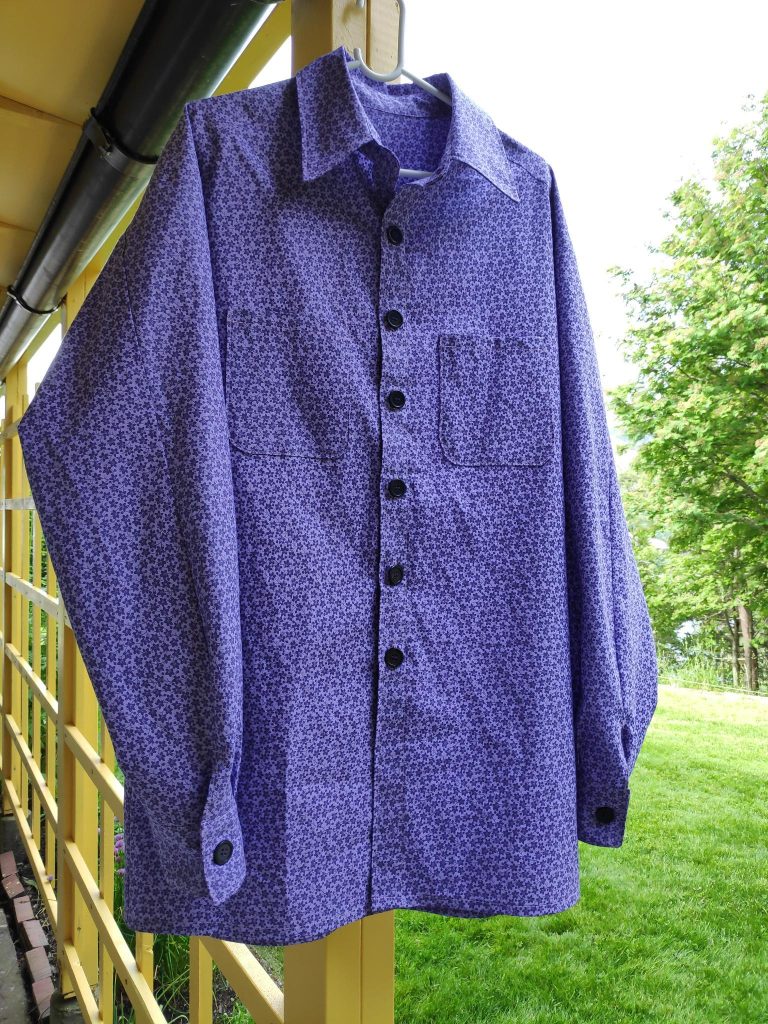
A shirt made for my husband who likes bright colours and patterns in his clothing. I originally started making shirts for him as the sleeves were never long enough. I have now been making him all his shirts for many years.

Knitting projects include two sweaters for my son, a toque, scarf and mitts set for my son, at least 6 pairs of socks for my husband, 2 pairs of socks for a friend, several children’s sized socks to be given away, one sweater and trousers outfit for a three-year old, a sweater for a five-year old, a sweater for myself and a baby blanket that was given away. Some of these projects were designed to use up yarn that had been sitting around for quite a while.
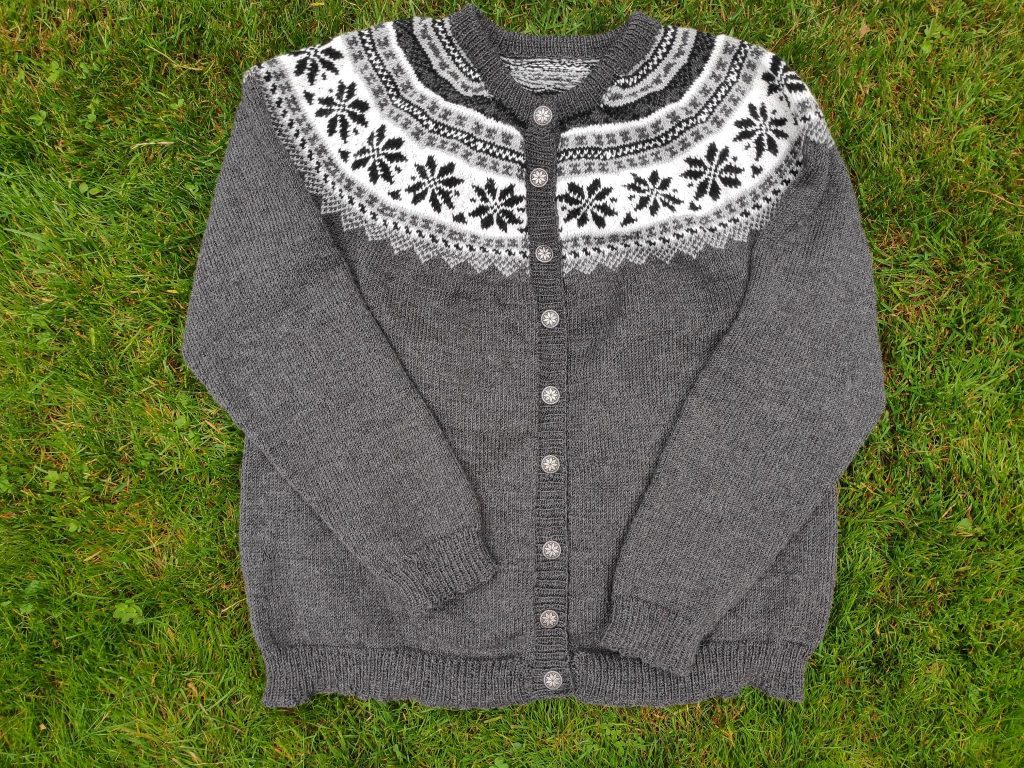
I like making sweaters and this one is a typical Norwegian pattern. This was made for someone turning 70 years old and given away as a birthday present.
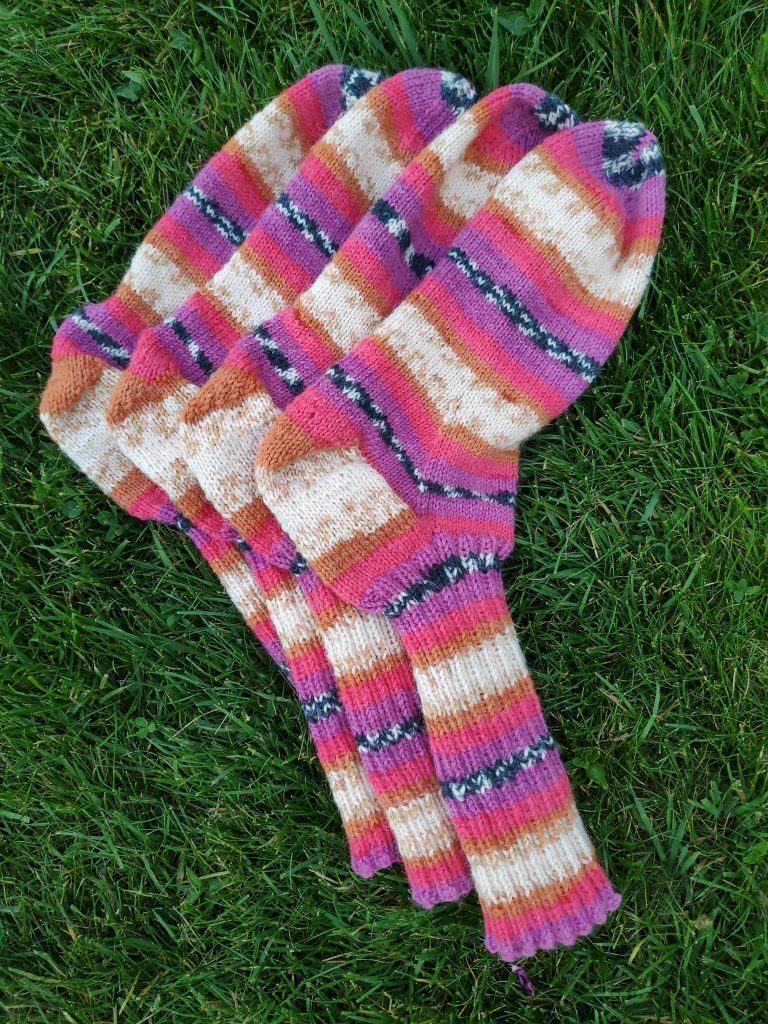
Knitting socks are easy and don’t take nearly as long as a sweater. These ones were for my husband. This yarn comes with the stripes in it, so it is just knitting round in circles and measuring to get the right length. Once the first one is knit, I make sure that the second (or third or fourth) one has the stripes in the same place.

Walks

Walking is the type of exercise that I enjoy best. I no longer spend a lot of time walking in shopping centres as my need to buy things is reduced. I have a house full of things that are not used and try to restrict my purchases to things that are going to be used. So the walking that I prefer is out in nature. Thankfully, the municipality of Inderøy has many well-marked trails. Each year new ones are marketed through the program “Inderøytur”. I go on walks that I have enjoyed before, and find new ones that get added to my “like-to-do-again” list. I have one girl-friend that I go walking with quite regularly and I also go for walks with my husband and my son. I like walking by myself, and I enjoy walking with others.
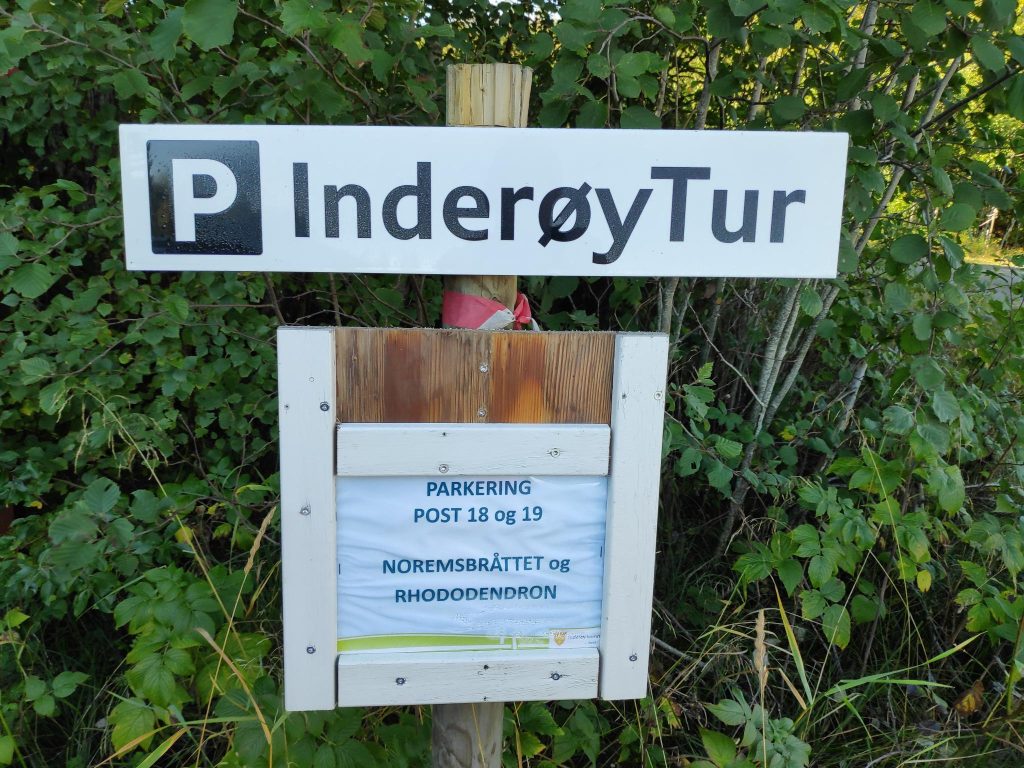
All the walks have a designated parking area and the trails are marked so that it is easy to find where one is going. I went to 32 of the walks in 2021, some of them more than once. The one that is closest to home I went to 27 times. We took these walks between the 9th of May and the middle of October.
View from Storlia, in Mosvik. This picture was taken 2021.06.27. This is a walk that I like to do at least once a year and in 2021 I actually did it twice as I took my daughter on this walk in November when she was visiting. It is a steep climb and must be done on a clear day as the views are spectacular from this height.

Food preparation

I make dinner almost every day. There are occasions when someone else does the cooking, but we eat out very little. I enjoy making meals and I enjoy baking. Food preparation is a meaningful activity every day of the year. I try to plan a variety of meals and also try to restrict the use of salt and sugar in my food preparation. This results in my baking almost all of our bread products (reduced salt content important here). I bake a lot less cakes and cookies than I used to and try to make healthier desserts than I might have a few decades ago. I also prioritize non-meat meals about twice a week. We use dairy and egg products so are not vegetarians at all, though I love my vegetables.

Gardening

I enjoy being outdoors, particularly from April to October, and I have a large garden that is never as well looked after as I would really like. I’ve always had the attitude, “what gets done, gets done” and try not to worry about what doesn’t get done. As I age, I find I have limits to the energy that can be used on gardening which is a very labour-intensive activity.

This year I had new planters on the terraces. I lined them with appropriate cloth, then filled them with dirt and plants. I was very pleased with the results.
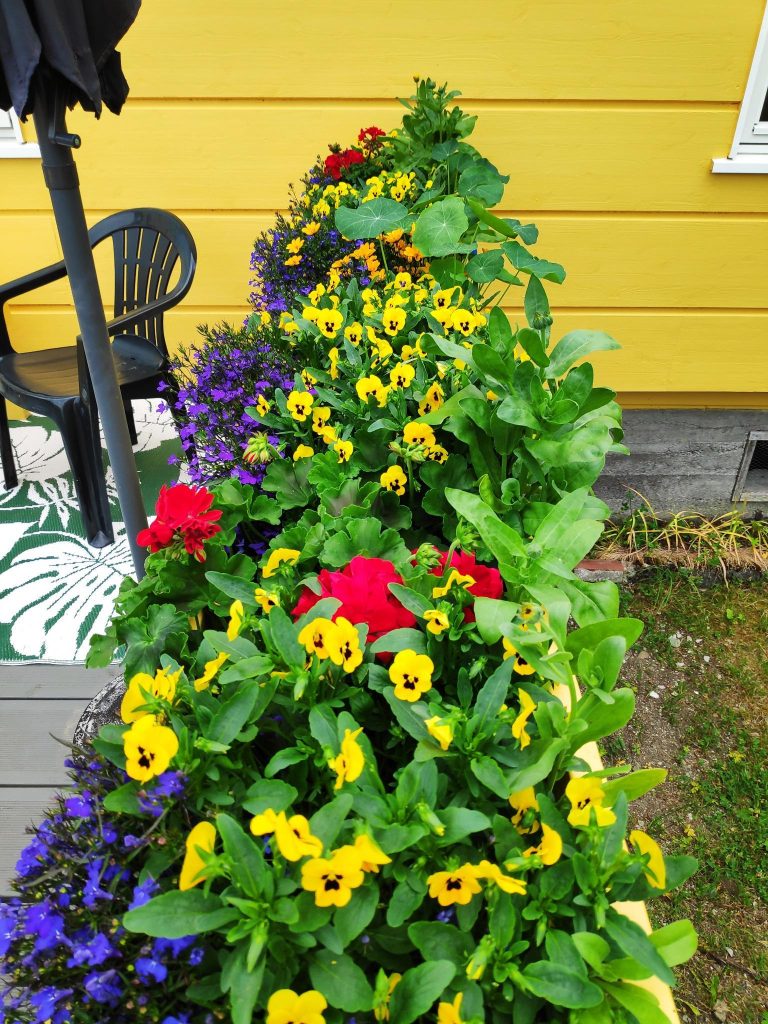
I used a lot of yellow pansies in my planters this summer. They continued to flower until the snow came in November, then they got eaten by the deer. Lobelia and geraniums gave a variety of colours, but they do not last as long. The key to pansies is to not let them go to seed by cutting off the flowers that are finished and making sure they don’t dry out.

During the summer of 2021, my son took on the responsibility for improving the lawn, digging up a large section of mostly weeds, putting down new dirt and seeding with lawn seed. He has put in a lot of work and the lawn has seen great improvements the two summers that he has been living here.

Painting

I enjoy painting things, though I am not artistic in that way. It tends to be walls or furniture that gets painted. Outdoor painting is restricted to when the temperature is above +10 degrees Celsius, but there were several things that were done in 2021. One outside wall of the house was painted and the new trellis at ground level was painted. There were also some small outdoor painting projects completed. There was little indoor painting done during 2021.
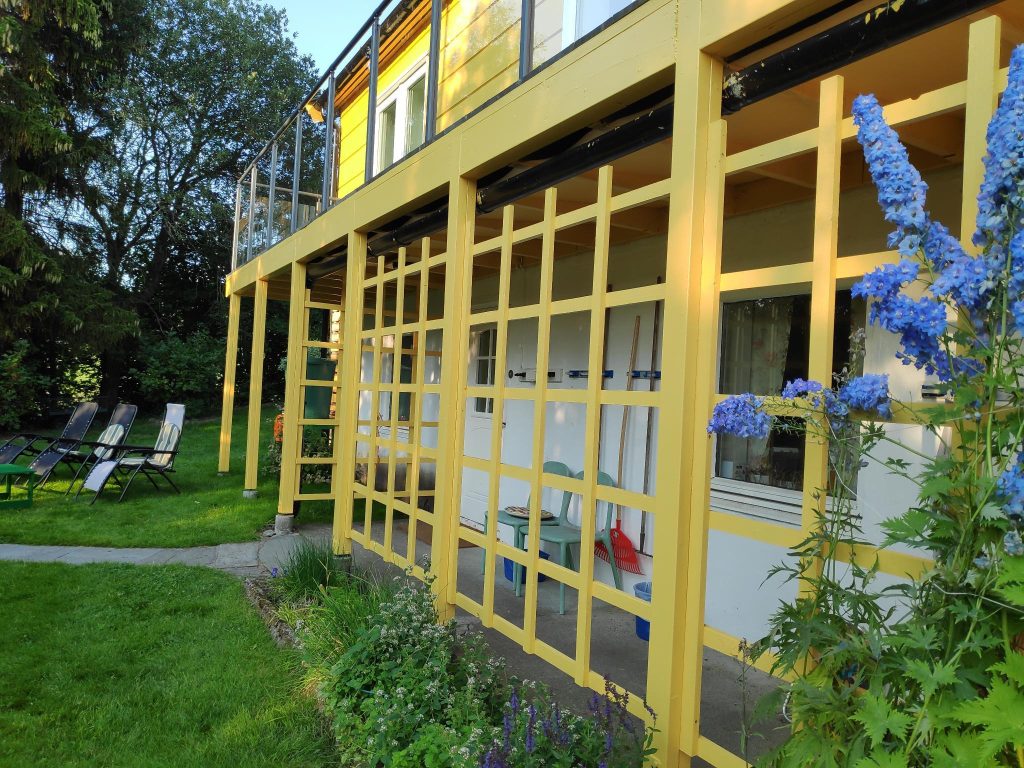
Both the wall on the upper floor was painted and the trellis at this level was new and painted. You can also see some of the garden in this picture.

Reading

I read a lot, mostly when knitting. This year it has been mostly fictional romances, often set in the early 1800s but by modern authors. I record new books read on www.goodreads.com, where I have recorded 78 new books read in 2021, but I also reread favourite books by authors I have read over decades and these would be in addition to what has been recorded online.

Travelling

Travel in 2021 has been restricted by the pandemic. I am actually not nearly as interested in travelling long distances as I was when I was younger. The major trip taken this year, was a one-day car trip to Trondheim and then coming home through Selbu. I have written a separate blog about that trip. In addition we took a day’s drive to the western end of route 755 (the main road that passes near us and crosses Skarnsund Bridge) making a lot of stops along the way. You can read about both of these trips on previous blogs (Selbu, Route 755).

However, we were fortunate to receive a two-week visit from my daughter in November. She was on her way to a business meeting in London, and was able to visit us on the way. She normally lives in San Francisco, California, USA. It was nice to have both children home at the same time and the siblings were able to have time together on their own. Though my daughter had to work while she was here (“home office” with online meetings with people in many places in the world), we were able to go for walks and spend precious social time together.

Otherwise, travel has been by watching television shows and documentaries at home. No fuss, no insects, no unwelcome heat or humidity, just the comfort of our own living room. One can see a lot of different places this way, one hour at a time, and avoid all the inconveniences of international travel.

Writing blogs

I am not much of a writer, but I have undertaken to write a few blogs in 2021, mostly about the walks I have taken in Inderøy. I like to include a lot of pictures as I feel that they illustrate what I have been doing better than using a lot of words. All pictures that I use in the blogs are taken on my cellphone. Any exceptions to this will include an acknowledgment of photographer. So far I have published 36 blogs in 2021 and this one will make number 37.

Book: There’s No Such Thing As Bad Weather (Touchstone, 2017)

My daughter came across this book and I decided to read it. I enjoyed it so much that I want to share some of my ideas after reflecting about the book.

The book was written by a Swedish woman who lives in the United States and has two children. Having grown up in a village in Sweden and surrounded by people who enjoyed being outdoors, she was disappointed that where she was living in Indiana, children had little chance to play outdoors. She took her kids to live in Sweden for six months and wrote about many of the differences between the two countries as relates to bringing up children.

The book is primarily for parents and gives tips on how to raise children in a Scandinavian fashion. Here she includes information from Norway, Denmark and Finland as well as Sweden. I could relate to much of the information that she had gathered about the advantages for children spending at least some time outdoors, every day, no matter the weather.

At the moment of writing this, it is a dark December day in Norway. There are only a few hours of daylight every day, and though I try to go outside most days, some days it is just not appealing to be outdoors. But while reading this book in December it made me think about the importance of being outdoors, not only for children, but for adults.

Summary of the book by Linda Åkeson McGurk

  • Introduction: A Swedish Mother in Rural Indiana
  • Chapter 1: A Right to Nature
  • Chapter 2: Fresh Air is Good for You
  • Chapter 3: Just Let Them Play
  • Chapter 4: We Must All Take Care of Nature
  • Chapter 5: A Little Dirt Won’t Hurt
  • Chapter 6: Freedom with Responsibility
  • Chapter 7: Outside, There is a Better Connection
  • Chapter 8: It Takes a Village

The author starts by explaining the American trend (based on her experiences in Indiana) that parents are concerned that if their children aren’t reading by the age of four, that they will not get anywhere in life. To my mind as a parent, that is not understanding the stages of development that children go through. It is common in Scandinavia that children start school at six or seven years of age (both my children started at seven and they both have master’s degrees ) and they might go to a kindergarten or preschool before that. Both my children started at kindergarten (barnehage) at the age of three.

The author refers to several other authors who have written about different aspects of children and parenting (see the list below) and has found the facts which I will be making references to here. You will need to read the book to get things exactly right. The author is concerned that children need to get “fresh” air every single day. Of course, not all people are lucky enough to live where the outdoor air is actually good for you. But by going to parks and other areas of nature, you can get fresh air into your lungs.

Children do not need to have activities constantly organized for them. One of the things children need to learn is how to organize their time, how to be bored, how to take suitable risks, how to socialize with others. In addition, they need time with adults who actually talk to them, as that is how they build up their vocabulary. Curiosity about the world around us leads children to learn how things work, either through their own investigations or by asking adults appropriate questions.

The author is also concerned that if the next generation is going to learn to take care of nature, they need to come in contact with it and learn to love it. Looking at trees only on a screen does not give the same learning or loving attitude as a walk in a park with tall trees. Children like to investigate things and usually get dirty doing it. Research has been done that indicates that we are too clean now, and we don’t get some of the good bacteria that we need to live a healthy life. Playing in the dirt or sandbox is not a health problem.

Small children need quite a bit of supervision when they are outside. They need to be protected from dangerous situations, for example a car whizzing by on the road, but they also need to learn to take responsibility for themselves, for example, learning to cross roads at crosswalks. As children grow older, the borderlines of where they are allowed to be on their own should expand as they are able to handle longer distances from the house on their own.

It has been shown in many research projects, that being outside in nature is good for mental health, not only in children but in adults.

A Scandinavian Mother’s “Get Up and Go Outside” Manifesto includes the following points (mostly directly quoted from pages 209-211):

1 There is no such thing as bad weather, only bad clothes. Whatever the weather, children must be dressed appropriately, whether it is sunshine and warm, rainy and wet, or snow and cold. Learning to dress yourself and your children appropriate to the weather is important for the parent to learn. Make sure footwear is appropriate too. There are, of course, certain types of weather which do not suit outdoor play, such as thunderstorms, tornadoes, hurricanes, or flash floods.

2 Fresh air is actually good for you. It reduces the risk for common infections, near-sightedness, vitamin D deficiency, and obesity. It will also lessen the symptoms of ADHD, anxiety and depression.

3 Unstructured outdoor play has everything kids need for healthy physical, social, and cognitive development in the early years. Older kids need time to play too.

4 Our modern indoor lifestyle has made kids too clean and likely triggered an epidemic of immunological disorders. To bring some beneficial germs back into your child’s life, ditch that hand sanitizer and let him sink his hands deep down in dirt.

5 Kids need risky play to learn how to assess risk and prepare for adulthood. Activities can include climbing trees, sliding on frozen puddles, using real tools and walking to the park without an adult.

6 If we want our kids to keep a foot in the natural world, we need to pry them away from their screens sometimes, and do things outdoors as a family. The adults must leave their screens behind too.

7 Find some like-minded people and figure out how you can get kids back outside in your community. Working with others makes it easier.

8 Children and nature make a really good fit. By immersing kids in the natural world early, we’re increasing the chances of them wanting to take care of it later in life.

References to Other Books

  • Last Child in the Woods: Saving Our Children from Nature-Deficit Disorder, by Richard Louv. Algonquin Books, 2008.
  • Balanced and Barefoot: How Unrestricted Outdoor Play Makes for Strong, Confident, and Capable Children, by Angela Hansom. New Harbinger, 2016
  • Under Pressure: Rescuing Our Children from the Culture of Hyper-Parenting, by Carl Honoré. HarperOne, 2009
  • Beyond Ecophobia: Reclaiming the Heart in Nature Education, by David Sobel. Orion Society, 1999.
  • Let Them Eat Dirt: Saving Your Child from an Oversanitized World, by B. Brett Finlay and Marie-Claire Arrieta. Algonquin Books, 2016.
  • Free-Range Kids: How to Raise Safe, Self-Reliant Children (Without going Nuts with Worry), by Lenore Skenazy. Jossey-Bass, 2010
  • Unplugged: 15 Steps to Disconnect from Technology and Reconnect with Nature, Yourself, Friends, and Family, by Jason Runkel Sperling. Kindle Edition, 2016.
  • Vitamin N: The Essential Guide to a Nature-Rich Life, by Richard Louv. Algonquin Books, 2016

Personal Thoughts on Being Outdoors

We all have our personal experiences from childhood which will depend a lot on where you actually grew up and how your parents were with you. I was fortunate to grow up in the 1950s and 60s in an urban area where everyone owned their own house and there was a yard at the front of the house, and a yard at the back of the house. Most houses with children would have had at least some grass to play on though we also had vegetables and fruit in our garden at the back. The back yards were usually fenced, so separate from the neighbours and the front yards were usually unfenced. There were a lot of houses with children my age so I had people within easy reach to play with. Particularly in chapter 8, Linda McGurk takes up the situation that for children to play outdoors a lot, it has to be what everyone else is doing too.

The message I remember hearing was “Go out and play”. I was expected to be outside the house and either play by myself or find someone else to play with. If the weather wasn’t that great, I could use blankets under a roof and make myself and my dolls a nice place to play house. When the weather was good, I might play with one of my girl friends out in the sunshine. But I also remember sitting on a blanket in the shade (and having to move as the shade moved) playing with my dolls. I remember climbing trees, using roller skates on the side walk, playing Annie Oakley, riding a tricycle and pulling a wagon, or playing hopscotch marked out on the side walk, all usually with one or more friends.

Elementary school was a five-minute walk from the house and I went home for lunch almost every day, giving me time to stretch my legs as well as get a warm meal in the winter months. The school had a very large outdoor area, with various types of areas to play in, including several areas with a lot of trees, some of which we could climb up a few branches. There were playing fields as well as paved areas for skipping rope and playing hopscotch. The children spread out over the large area giving those who had a need to run around lots of opportunity to do that. Occasionally the weather was so bad (usually heavy rain), that we had to play indoors during recess, in very noisy basement areas that nobody really enjoyed. I think having a long lunch hour and a recess with outdoor play helped us to sit still when we were in the classroom.

My children were primarily brought up in a rural environment, living in a single family dwelling with farm fields beside us and no playmates within easy walking distance. When they were young, I spent time outdoors with them and they were given more freedom to be outside on their own as they grew older. They were both fortunate to have their early years before computers were very common and long before hand-held devices were available. The limits of physical freedom were defined by the size of our lot, which eventually expanded as they were encouraged to walk to a friend’s home or to cycle somewhere on their own. Unfortunately we parents were also obliged to drive them a lot. However, they would be encouraged to play outside even when visiting friends.

Both of my children attended kindergarten from when they were three years old until they began school at the age of seven. Kindergartens in Norway still have several hours of outdoor play, usually in a fenced-in area around the main building. Here they can dig in a sandbox, play on swings, ride tricycles, or make up their own games. They learn to socialize with others their own age. They learn to follow the rules set by the staff. For my children as well, the kindergarten was where they learned Norwegian as we used English at home.

Once my children started school, the elementary school was five kilometers away and they got a bus to school. Catching the school bus was part of the regular routine of learning responsibility for one’s own activities. Even at elementary school, there was always recess with outdoor play, no matter the weather. The children were expected to wear appropriate clothing to school to be outside both during recess and lunch hour. Sometimes adults would organize activities, but mostly they were outside to prevent bad behaviour and to mediate disputes between the children.

As an adult, I like to spend time outdoors. I can get discouraged if the weather does not look good from inside. I don’t like being outside in the dark, which makes limitations on when I can be out in the winter months. We live in a part of Norway where it seldom rains non-stop for hours at a time. It is more likely to be showers on and off all day, so it is easier to get outside while it isn’t raining and even stay outside with whatever I’m working on even if another shower comes along. In the winter, I like shovelling snow off the driveway as it gives me both fresh air and exercise as well as being useful. In the summer, I have a large garden to work with, though it can be discouraging to work when it is pouring with rain, which it often does in the summer. Not all summers here are warm and dry. But that just means that one has to learn how to dress suitably for the weather.

I have always found that going for walks is a good remedy for a bad mood. It gives me time to think through problems. If I am walking through the woods, I have to concentrate on where to put my feet and problems seem to melt away. I have also heard that having trees visible from the windows in your house is good for mental health.

The municipality that I live in has had a summer program called InderøyTurer (Inderøy Walks) where trails are marked in the wild areas. There are usually about 30 different walks and one gets points based on how long the walk is and how difficult a trail it is. There are always some easy walks for those in wheelchairs, so that handicapped people are encouraged to get outside too. I read just recently in the local newspaper that this summer there was a record number of visits to these posts. We use an app on our smartphones and are able to check in using our phones. This is an encouragement to get people out of their houses and take their children with them.

I would like to encourage everyone to spend time outdoors, preferably in nature or near trees, every day. Whether you spend half an hour or several hours, being outdoors will give you fresh air, exercise and time away from the screens in your life. Enjoy!

To eat or not eat meat

After watching a program from Norwegian television (NRK) called Line fikser maten (Line makes food), I am even more convinced that cutting out meat and fish from our diet is good for both my body and the planet.

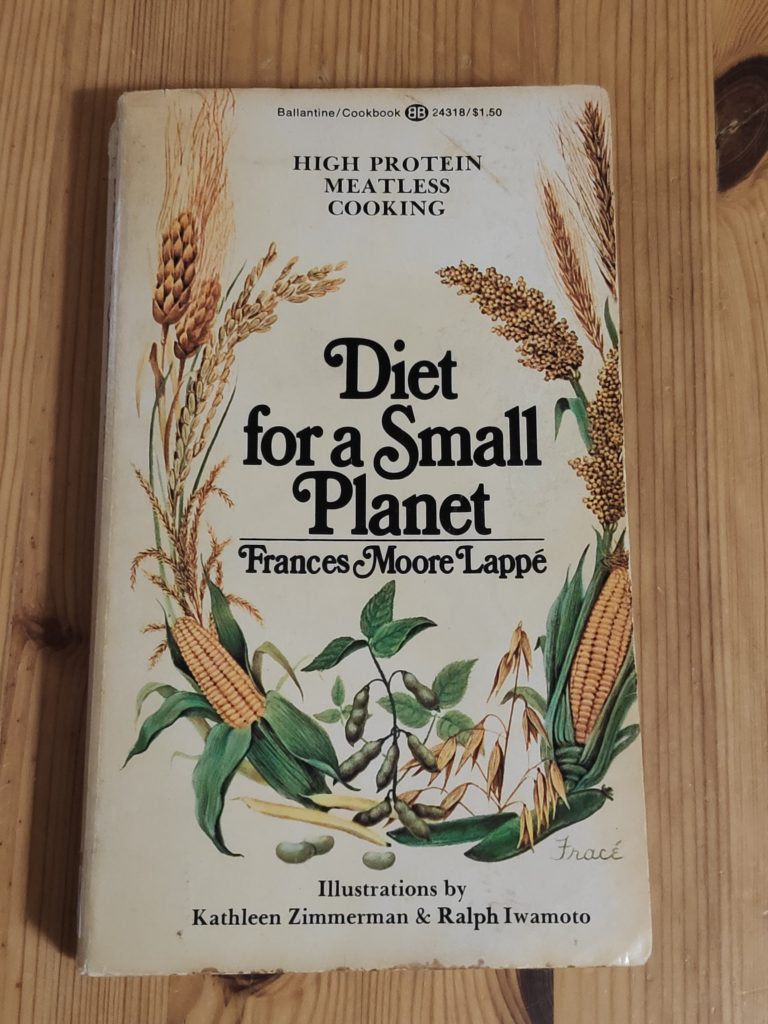
I first became aware of the problems caused by the consumption of meat when reading, Diet for a Small Planet, back in the 1970s. The author, Frances Moore Lappé, was concerned that eating meat was not sustainable on our planet and she showed how one could use plant products to supply the protein we humans need to consume. She showed how to combine foods to create good nutrition and give enough protein on a daily basis. She also provided lots of recipes so that one could get started with creating a new healthier diet.

Published by Friends of the Earth and Ballantine Books, New York, 1971. My copy is from the 12th printing in 1974.

Already at that time, I went over to a diet that used proteins from plant products and reduced my intake of meat, fish and poultry. It has since been shown that one doesn’t need to complement foods in the way that Lappé suggested to get adequate protein, though one should still think carefully about which types of foods should be eaten during the day.

In 1980, my husband and I moved to Norway and had very little money to live on. We lived on the coast, so fresh fish was affordable, but meat was not. We rarely ate meat, except for the occasional ground beef. Poultry was also not nearly so common back then and not particularly cheap, at least for our income level. A wide variety of legumes was not available either, so we lived on quite a restricted diet. I never felt that we had poor nutrition though I do remember trying to buy everything on sale, especially canned goods.

Once we started working in Norway, and our income improved we also started eating more meat and poultry. The cost of meat became relatively cheaper and certainly poultry became cheaper and easier to get hold of. Over the last forty years, the availability of a variety of food has improved and imported food has became much more common.

Now we eat a wide variety of legumes, most of which are imported from Asian countries. Though I do prefer to buy vegetables that are grown locally, not everything is in season year round. As an example I was able to buy the first locally produced tomatoes today and they haven’t been available for several months. Much of our fresh produce comes from Spain, Israel or South Africa.

We live in an agricultural area, surrounded by farms. We have an egg farm as one of our nearest neighbors and we walk up there to buy farm fresh eggs. Some of the farms nearby are meat producers, either beef or pork. Potatoes, carrots and other vegetables may come from neighboring communities. But bananas, oranges and grapefruit are still not grown in Norway. However with climate change and the increasing use of greenhouses to produce plants, there may come a change in what is locally grown in the future.

What’s for Dinner? Nutritional Balance

When planning a meal, it is important to get a balance of the three major food types – protein, carbohydrates and fats.

Protein usually comes from meat or fish, but can also be from milk products including cheese, eggs and legumes (such as lentils and chick peas).

Carbohydrates are typically potatoes, pasta or rice, but can also be bread or other wheat products such as couscous.

Fats are often a part of the ingredients, as meat will often have fat with it, or it can be the cooking oil that is used in preparing the meal. Some fat will give more flavor to the meal, but too much will increase the amount of calories. Fats can be from animals or from plants.

In addition to these three main food types, it is necessary to eat food with a lot of fiber, such as raw vegetables and fruit. We also need a variety of minerals and vitamins from our food.

In future posts I will be looking at various ingredients that are typically used in dinner meals and looking at how they contribute to good nutrition. I will be looking at how we can vary our diet by increasing the variety of ingredients that are nutritious and tasty.

Book Review: Why We Sleep

Matthew Walker: Why We Sleep: Unlocking the Power of Sleep and Dreams, was published by Scribner in 2017.

I read this book in September 2019 and really enjoyed the book. It helped me understand the importance of getting enough sleep and the problems caused by lack of sufficient sleep.

Why We Sleep - Walker, Matthew P

For many years I have had problems getting enough sleep and reading this book enabled me to understand how important it is to get at least seven hours of sleep every night. Sleep is important for learning and for creativity. When we get too little sleep, we can have problems coping with our daily life and can make bad decisions.

Our brain is active when we sleep and busy getting things done, such as getting rid of the garbage and connecting up the things we have learned during the day. This book tells about some of the latest research about how our brains work.

In addition, our body goes through several stages of sleep, all of which are important for us to have every single night. If you read the book, you can get a better understanding of these different stages of sleep.

The quality of our sleep changes as we get older and it is quite common for older people to sleep fewer hours at a time and to be awake more during the night. Though the author did have a chapter on older people, I found that I wanted more information about how to get better sleep now that I am over 70 years of age. Perhaps there is a need for research to be done in this field.

The author is very concerned that that sleep deprivation is currently a common health problem that is not being treated and that many people in the western world feel that it is okay to get by with only four hours of sleep at night. When the brain does not get enough hours of sleep at night, it will deteriorate and this can be a contributing factor to dementia when we get older.

As a teacher, I used to tell my students that getting a good night’s sleep was the best preparation for a test or exam. The research presented in this book backs up my advice. Yes, a person needs to study before a test or exam, but then the brain needs a full night’s sleep to put everything into place so that it can be recalled during the test or exam.

The well-used phrase, “sleep on it”, is actually very good advice. When we sleep the brain will be working on the problem for us, making links to previous information that is already stored, and perhaps coming up with creative solutions during the night.

I recommend reading this book, no matter your age. It is easy to read, not too technical and has good stories to illustrate the author’s point of view.

Happy reading!