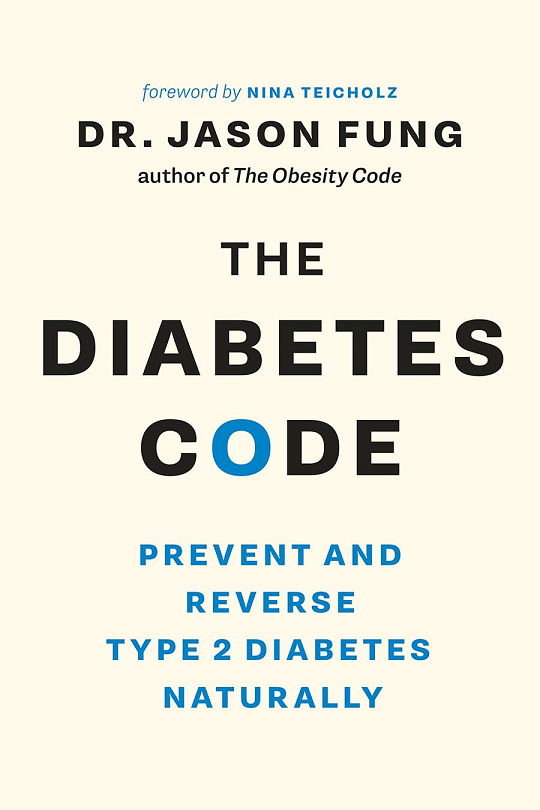
Prevent and Reverse Type 2 Diabetes Naturally Author: Dr. Jason Fung Publisher: Greystone Books Ltd, Vancouver/Berkeley, 2018
In the introduction to his book (“The Quick Start”), the author presents his idea that diabetes can be reversed without using medications and by working with diet. I found the idea intriguing and decided to read about his ideas.
Most of the book goes to describing what causes diabetes (Parts 1, 2 and 3). Unless you know how diabetes starts and progresses, you won’t know how to stop it or reverse it. Personally, I am interested in preventing diabetes in myself and my husband, so knowing what to do and what not to do is important to know.
Diabetes as a disease has been know for centuries, but it was only in the latter part of the twentieth century that it became such a common disease that everyone knows at least one person with it, if they are not affected themselves. If you have diabetes, or want to prevent getting it, I would recommend reading this book. The author is good at explaining what the problem is using analogies that lay people can understand. So even if you find the medical terms difficult or confusing, you may find that his explanations are easy to understand.
My summary of what is happening: We have a diet with far too much sugar in it and the body cannot handle this overload. When this problem goes on over years, first we put on weight as the extra sugar is stored as fat, then we develop resistance to the insulin that our body releases to try to metabolize this constant surge of sugar. Our blood carries around too much sugar and we are diagnosed with type 2 diabetes.
At the end of the book, the author comes with his suggestions as how to reverse diabetes. Here is a summary of what you will find in this book.
How to Reverse and Prevent Type 2 Diabetes: The Quick Start Fact: Type 2 diabetes is fully reversible and preventable Fact: Type 2 diabetes is caused by too much sugar and conventional diabetes treatments make the problem worse Fact: Type 2 diabetes affects every organ in the body Fact: Type 2 diabetes is reversible and preventable without medications
How to reverse or prevent diabetes: Step 1: Put less sugar in Step 2: Burn off remaining sugar
Part 1: The Epidemic Chapter 1: How Type 2 Diabetes Became an Epidemic Chapter 2: The Difference Between Type 1 and Type 2 Diabetes Chapter 3: The Whole Body Effect
This part gives the historical background information to understand the problem of how diabetes has become so big a problem. Having diabetes affects the whole body and creates other health issues, including heart disease and cancer.
Part 2: Hyperinsulinemia and Insulin Resistance Chapter 4: Diabesity: The Calorie Deception Chapter 5: The Role of Insulin in Energy Storage Chapter 6: Insulin Resistance: The Overflow Phenomenon
This part explains what is actually happening in the body. If you want more detailed information, you’ll just have to read the book. The author gives explanations that are understandable.
Part 3: Sugar and the Rise of Type 2 Diabetes Chapter 7: Diabetes, a Disease of Dual Defects Chapter 8: The Fructose-Insulin Resistance Connection Chapter 9: The Metabolic Syndrome Connection
In this part, the author explains more about what is happening in the body. The better your understanding of the situation is, the easier it is to understand how to treat the problem or prevent it.
Part 4: How Not to Treat Type 2 Diabetes Chapter 10: Insulin: Not the Answer for Type 2 Diabetes Chapter 11: Oral Hypoglycemies: Not the Answer Chapter 12: Low-calorie Diets and Exercise: Not the Answer
This part is all about what not to do. Most doctors do not know how to treat diabetes correctly. By using medications, they often make the problem worse. Giving a diabetic more insulin, only makes them worse, as they already produce enough. Again, this author emphasizes that having a low calorie diet does not help one lose weight. More on that in the next part.
Part 5: How to Effectively Treat Type 2 Diabetes Chapter 13: Lessons from Bariatic Surgery Chapter 14: Carbohydrate-reduced Diets Chapter 15: Intermittent Fasting
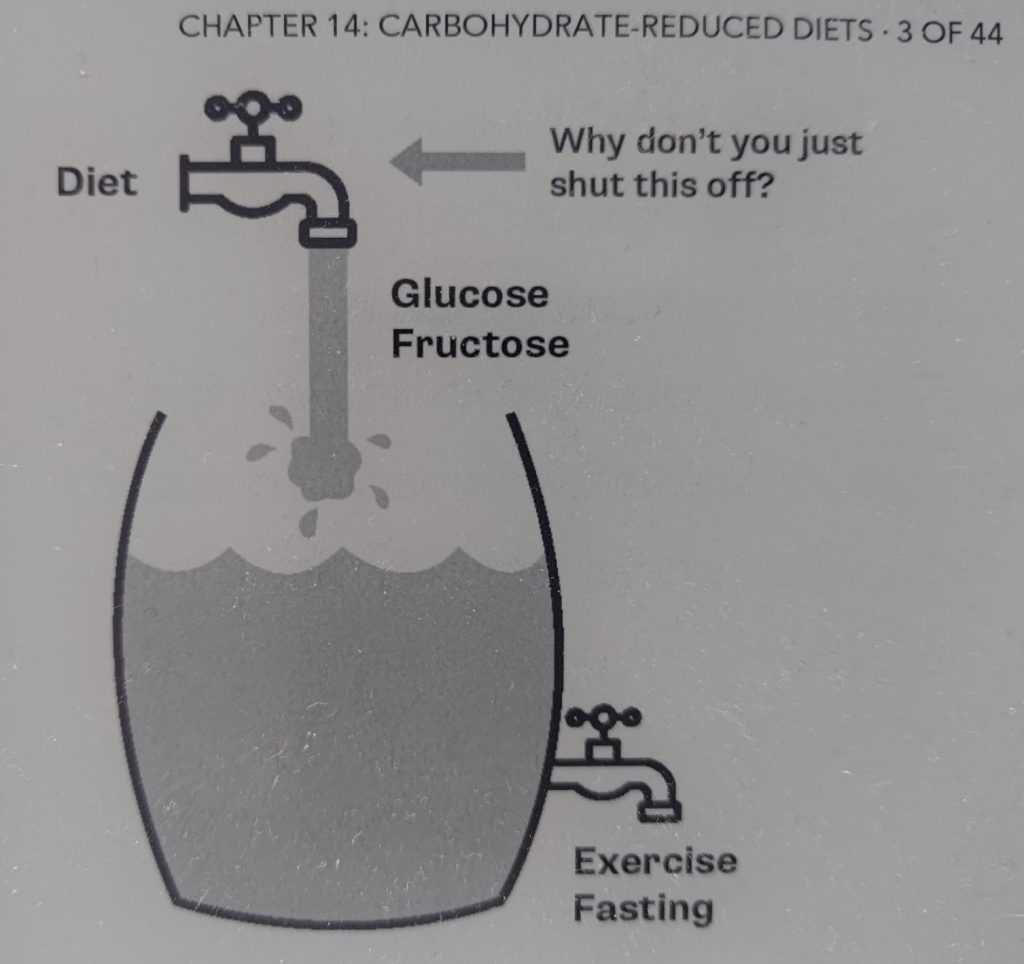
In part 5 comes the information about what one must do. I took a picture of the following drawing from Chapter 14 which shows the simple solution to the problem. If the problem is caused by us eating too much sugar (glucose and fructose), the answer is to stop eating it!
The author goes on to show ways to cut out the sugar and how to get rid of the weight you have perhaps already gained. A low-carbohydrate, high-fat diet is what works best. He also suggests intermittent fasting which will help your body get rid of the extra fat that your body is storing.
I found this book very interesting to read and recommend it to others who are interested in the diabetes problem. I have started making changes in my diet, reflecting some of the author’s ideas and have already gone down in weight. It’s harder to know if other factors in my health are getting better, but I do seem to sleep better (most nights) and have more energy in the daytime (for my age).
With all the reading I have been doing, particularly in the last year, I have finally decided to make a few changes in our diet and see if it helps us stay healthy longer. So far, we are both going a bit down in weight, an added benefit.
Why worry about this at our age, 76 and 77? Many older people suffer from various diseases and the one I worry most about is diabetes. We are what we eat, so I want to have as healthy a diet as possible to avoid getting sick. We may get older, but we don’t have to get sick as well. Several of the books that I have read or are reading explain how a bad diet makes us sick, so I want to maintain the health that we do have. We may walk slower, and do less during the day, but I want to be able to go for long walks in the woods and climb local hilltops.
According to the books I have been reading (and some of them I have blogged about), the single most dangerous item in our diet is sugar. Back in the 1960s, someone came with the idea (not proved by experiments) that dietary fat gave us heart attacks. This has since been disproved, but the damage was done. The food industry took out the fat in our food (for example, by replacing standard milk with skim milk) and added sugar to make it taste good (for example, flavoured yogurt). Obesity and diabetes became an epidemic and it has now been shown how the change in people’s diet created these two problems. I want to get rid of the sugar in our diet and see if we can stay healthier.
The idea of “counting calories” to control weight has also been shown to be misleading. It is not the amount of energy available in a food that counts, but the type of macronutrient that the food consists of. The three main macronutrients are protein, carbohydrates and fat. Our bodies metabolize, or process, these three macronutrients differently. For example, a couple of pieces of chocolate cake would give me all the calories that I really need for a day, but I think most people would agree with me that chocolate cake is not nutritious, but a very pleasant extra. We also need the micronutrients in food, the vitamins and minerals that our body needs to keep itself in good repair. These we get from a variety of foods, often fruit and vegetables.
Some of the foods that are regulars in our diet, cottage cheese, hard white cheese, eggs, kiwi and clementines.
I don’t remember which book I got this list from, but I have it hanging on my fridge and I am referring to it often and would like to share my ideas about the items on the list and how I have adapted it to our life:
Fixed mealtimes
Prioritize protein
Control carbohydrates
Fill with fat
Get moving
Mealtimes
Especially as we grow older, it is unwise to snack between meals. We have three meals a day and very rarely snack between meals. It is important to have meals at regular times every day so that your body gets used to when it will get its next meal. I rarely get hungry between meals.
Our first meal of the day is breakfast, currently at about 10 am, and I have been trying out different types of meals here. The old standard of porridge or cold cereal is a bit heavy on carbohydrates, which we are now trying to have less of. Eggs have become a regular as well as smoothies. We still enjoy waffles once a week and pancakes once a week, though a smaller portion and different toppings than before.
Our main dinner meal is currently at about 3 pm. This has been our largest meal of the day since we retired nine years ago. It has always been our main protein meal and we’ve usually had a sweet dessert with it. It is still our main meal, but I’m trying to cut back on desserts and certainly less sweetened items. This meal will have a protein source, such as meat, fish, chicken, lentils or chickpeas, along with either cooked or raw vegetables. Sometimes a homemade sauce is served with the meal. Most often we have a milk pudding (which now has much less sweetening in it) to end the meal.
By evening, about 8 pm, we have a small meal and I have to watch that I don’t eat too much at this meal. I am doing less in the evening so I don’t need a big meal.
We have chosen to have our meals five hours apart as we both feel that this suits us. It is important to have a long time between your evening meal and your first meal of the next day. I’ve read that 12-14 hours of fasting is best though there are many who think a longer fast is even better. This is what suits us best.
Protein
In the last year or so, I have been concerned that we are not getting enough protein in our diet. Neither of us are big meat eaters, and never have been, which means planning the protein content of our diet can be challenging. Our major sources of protein are beef, chicken, fish and eggs, but we also have lentils and chickpeas regularly. In addition nuts, seeds and dairy products give us some protein.
In order to get more protein during the day, I am trying to increase the protein content of our first meal, increase the protein portion size in our dinner and add some protein to our evening snack. What we eat to get our protein will vary with what we actually like. I enjoy eggs a lot and have started eating more of them as the latest research says that the cholesterol in eggs is not bad for us. We also enjoy eating dishes made with lentils and chick peas/ garbanzo beans. Dairy products are very common in Norway and cheese, in general, is a good source of protein, as long as you tolerate dairy products (many people don’t).
So when I want to prioritize protein when planning meals, I think about how I can have at least one good source of protein in all of my meals. For example, I can put bacon or ham with an omelet, or put chopped cheese or cottage cheese on a salad.
One of the changes I’ve been making is to cut out porridge and granola for breakfast and have eggs instead. We have our main meal at about 3 pm and there I am cutting down on how much carbohydrates are included, including getting rid of sweet desserts. For our evening meal, I enjoy raw vegetables and fruit, but I am now adding cheese to my mixture.
Carbohydrates
Our modern diet has a lot of carbohydrates in it. Back in the 1960s, someone said that we shouldn’t eat fat as that made us fat and gave us heart disease. So food manufacturers took the fat out of our food (think skim milk and low-fat yogurt), but in order to make the food taste good they added sugar and salt. Sugar is a carbohydrate and one of the worst ones as it gives us no nutrition but is hard for our bodies to digest. Cutting out sugar from one’s diet is the best single thing one can do to improve health.
Think about the foods that you eat. How many of them contain sugar or flour (of any sort)? The things that come to mind quickly, especially for a person living in Norway, is the amount of bread that is consumed, packaged cereals, cookies, or jam. If your body already has begun to have a problem with insulin resistance (meaning that the body produces insulin but it doesn’t work very well at metabolizing what you have eaten), these are actually the foods that we need to avoid. So we have cut back drastically on bread consumption and items with added sugar, such as jam. So far from what I’ve been reading, it does not seem that artificial sweeteners are good for us either. We need to learn to like less sweet food.
So my list says to “control” how many carbohydrates that I eat, meaning that I need to eat as little of them as is possible. We cannot get rid of them completely, as our body needs some, but we should certainly cut out as many sugary products and drinks as we can, and that includes things that are sweetened with artificial sweeteners (which make the body react as if it had received sugar). Limiting our carbohydrates can be a challenge but it may be worthwhile to take smaller helpings or no helpings as a start.
Fat
It has now been proven that having fat in our diet is actually good for us. It is not the fat in our diet that makes us fat. In fact, if you have insulin resistance eating fat is easier to metabolize than carbohydrates as your body does not need insulin to make use of fat.
The fat in your diet is what makes you feel fuller faster and with less food. So I am buying heavy cream and replacing some of the milk that I add to dishes with cream. Fatty meats and fatty fish are good for you. You should avoid processed meats, but a pork chop with fat on it is fine. I try to buy only full fat dairy products.
I’m finding that having more fat in my diet is allowing me to have smaller helpings and still feel satisfied both after a meal and several hours later. For example, a white sauce made with half standard milk (3.5% fat) and half cream (35% fat), makes a much more delicious sauce that also makes one feel full when the meal is consumed. I am enjoying the taste of things made with cream and they certainly are more filling.
Get Moving
As we age, it gets more important to think about getting up off our chair/sofa, or whatever, and move around. When we had young children, there was no choice. There was always something that had to be done. When I was working, I had a job that required me to be on my feet all the time. But now that I’m retired, I have to make myself get up and move around, by finding things to do inside the house or getting out of the house altogether.
We have a house that is easy to go around in circles, and particularly in the winter months when it is dark outside in the evenings, my husband and I walk around chatting to each other as we keep our bodies moving. This is helping me sleep better at night and I’m sure it is also helping me to go down a bit in weight.
Conclusion
I’m happy about the changes that I’ve made in our diet. It seems to be something we can do and keep at in the long-term. I’m enjoying the challenge of trying different meals to find dishes that we enjoy eating and that are also better for our health. It didn’t take many days with much less sugar before my desire for sugary foods mostly disappeared. Now I try to get my sweets through fruits, some eaten plain but others are made into smoothies where the fruit is mixed with milk and cream, a very satisfying drink and dessert.
We have both gone down in weight slightly, getting rid of the last year’s accumulation from eating to much sugar in ice cream (during a warm summer) and too much candy when visiting California or serving sweets to guests in December. We will be continuing with these changes.
Eyes, nose and a big mouth. No ears because of a hearing disability. Photo: Brock McLellan
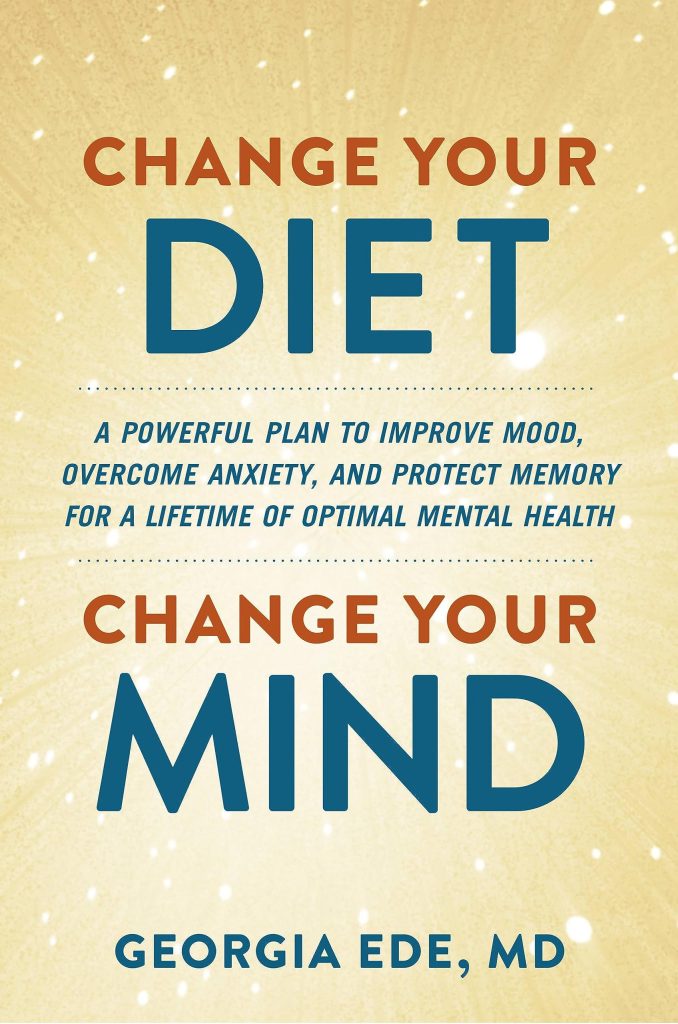
I am continuing to read more about health and reading about the same types of problems and solutions, though always from a slightly different angle. We are what we eat, and if we eat poorly, then our bodies and minds will not be optimal. This author thinks that by changing our diet we can improve our mental health. She is a psychiatrist and works with people with mental health issues.
There is lots of detail in this book about how the brain works and she is convinced that a keto diet (a high-fat, low carbohydrate diet) will improve things for many people. There is a lot of repetition from what I have been reading previously, but she is also helping me make decisions about what I want to eat and what I don’t want to eat. I may not be able to retell the science behind how the brain works, but I enjoy reading it and understanding at least some of it. I find it fascinating how much they have actually learned.
One thing that gets repeated in this book, and many others that I have read, is how false knowledge gets spread, even without proper research being done on the topic. Again, cholesterol in food is not bad for you, eggs are healthy and so is having fat in your diet. Sugar and carbohydrates are what give you insulin resistance and can lead to overweight and type 2 diabetes, as well as many other diseases.
If you are looking for ways to make your life better by changing the way you eat, this is a book that will give you a different perspective on how food influences the way we feel and work. I have made some changes to my diet while reading this book and my next blog will be about those changes and how they have affected us. If this is a topic you want to know more about, I can recommend this book but there is a lot of scientific detail and also some interesting examples.
My summary of the book is going to be much shorter than usual as this topic is not necessarily for everyone. In the edition that I am reading (an eBook), there are 1 384 pages so it is not a short book. The book is divided into four parts and I will summarize each part.
Part 1: Rethinking Brain Food
In this first part of the book, the author shows concern for what actually causes mental health problems. There is a new branch of psychiatry that is looking at how poor nutrition affects how the brain actually works. In the five chapters of this part we learn more about how the brain actually works. I find it fascinating what they have discovered so far, but I know there is still a long way to go to figure out what actually causes disorders of the brain. Certainly what we eat affects insulin production and metabolism not just in our bodies but also our brains.
Part 2: Our Descent into Dietary Madness
I have read about insulin resistance in many other books and this author also explains what it is and how it affects us. In short, when we eat carbohydrates, our body produces insulin to metabolize it. If we eat too many carbohydrates, our bodies have problems metabolizing it. So the author looks at the food we eat, which ones are very bad for us and how they affect the brain.
The author likes the ketogenic diet best realizing that by having a low-carbohydrate diet, with more protein and very much more fat, that our bodies can handle that balance much better. She relates several stories of people with mental health problems such as bi-polar and schizophrenia who have gotten a much better life by going over to a ketogenic diet.
Part 3: The Whole Truth about Whole Foods
This part of the book discusses what are good foods and what are not good foods. The author feels that meat (including fish and poultry) is good food, plants are less good and vegetable oils are not good at all. She discusses the term “superfood” and believes that there is none, that it is just a good marketing tactic. She feels that vegan and vegetarian diets are not as good as a diet with meat. Humans are omnivores and we are designed to eat animals for food and plant food as extra. Many plant foods have toxins in them that should be avoided. I didn’t always agree with the author’s conclusions about what is good and what should be avoided. But we all have to make up our own minds.
Part 4: Hope is on the Menu
The author promotes three types of diets which she calls Quiet Paleo, Quiet Keto and Quiet Carnivore. As she is a doctor, she is also suggesting that you test for all sorts of things to make sure you are within guidelines. In my opinion, if you are not sick, avoid testing yourself but eat nutritiously. If you want to find out more about what the author is promoting you will have to read the book yourself. She offers practical tips, meal plans and some recipes.
Appendices:
A – Recommended Tests B – Selected Resources C – Essential Micronutrients and Brain Metabolism